
Freight Damage: Causes, Costs, and How to Prevent It
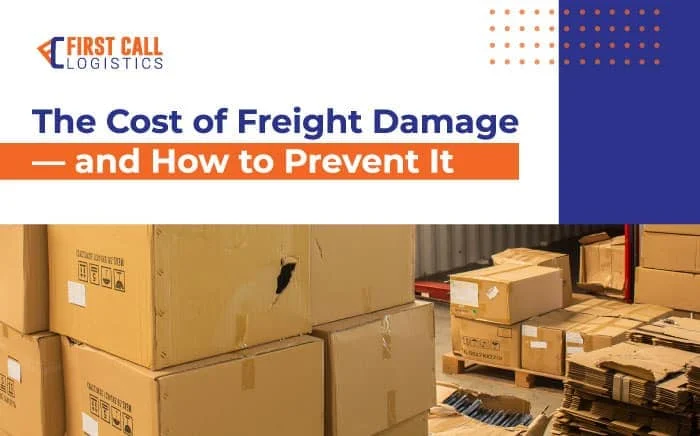
Freight damage occurs when products are damaged during handling, loading, transportation, or delivery. Even minor damage can lead to rejected shipments, inventory losses, and supply chain disruptions.
Understanding the most common causes of freight damage and implementing preventive measures can help companies protect inventory, reduce financial losses, and maintain reliable delivery performance.
The widespread operational disruption caused by damaged freight is often preventable with relatively simple changes to shipper and carrier processes, though companies must also monitor other supply chain risks such as cargo theft, product rejection, and logistics fraud.
The Business Impact of Freight Damage
Freight damage invites the obvious cost of replacing inventory. If a pallet of product is unsellable, receivers are unlikely to accept it. In many situations, damaged shipments may also require companies to begin the freight claims process to recover losses. Federal regulations governing freight claims are outlined by the FMCSA freight claims rules.
Missed delivery deadlines, dissatisfied customers, and contract breaches with retailers or distributors can bring your business under penalties or supply chain chargebacks, as well as unexpected freight accessorial charges associated with damaged or rejected shipments.
If damaged products reach the customer, the impact goes beyond the immediate loss of inventory. Product damage can weaken trust in a brand, trigger customer complaints, and create additional operational work through returns, replacements, or credits.
Five Ways to Prevent Freight Damage During Shipping
The best way to combat the negative effects of freight damage is to implement preventive measures throughout your transportation processes. These best practices will better protect your freight and reduce the losses associated with unsellable goods:
Appropriate Packaging
To prevent freight damage, start by evaluating your packaging. It’s easy to overlook packaging as it comprises a small percentage of supply chain expenses, but effective packaging reduces total overhead costs and minimizes the risk of damage.
The details matter when it comes to packaging. If there is empty space in the packaging, be sure to fill it with foam or other filling materials. Excess slack and compression ought to be avoided. Many packaging options also include a minimum weight for their contents — ensure you follow these guidelines to maintain product integrity. Spill-resistant seals, such as adhesive tape, are equally important for keeping products in place during transit.
Not only should packaging be appropriate for the product but it should also be right for the mode of transportation that you’re using. For example, if your pallets are stacked, packaging should consist of a corrugated material that will hold up to the weight.
Evenly Packed Pallets
Ideally, units are stacked on pallets so that there are no gaps (meaning freight will not slide out of place).
Pallet load stability refers to a palletized unit’s ability to remain upright and intact in transit. Several factors can influence a pallet’s load stability, including truck acceleration and deceleration, pallet materials, weight limits, and weight distribution.
Traditional wood pallets can suffer design issues leading to destabilization. Wood warps when wet, creating an uneven surface for freight. This can result in slight changes to a pallet’s dimensions, which in turn impacts transportation costs if the reported size and weight of your shipments are found to be inaccurate when coordinating less-than-truckload freight shipments.
All pallets have weight limits. Avoid overloading them to maintain structural integrity. Likewise, weight should be distributed evenly across the pallet to ensure load stability. Unevenly packed products can break pallets or fall off. Once properly loaded, pallets should be organized and stored carefully with bulk items secured. Racks should have adequate weight limits and support bars as well.
Optimized Warehousing & Storage Practices
Maintaining strict warehousing standards and observing the careful use of forklifts and other equipment when loading and unloading freight makes a significant difference in the long term condition of your products.
A warehouse must adequately shield goods from weather. The roof and doors need to be in good condition to prevent water from seeping in and spoiling products and their packaging. Additionally, a warehouse needs to be well-lit and clean to avoid accidents that might topple or otherwise damage freight.
Properly managing warehousing and storage takes into consideration any special needs a product may have, such as air conditioning or refrigeration.
Improperly handling freight with a forklift can cause damage as well. Forklift damage can be avoided with appropriately loaded and balanced pallets. Clearing warehouses of debris and carefully planning layouts prevents forklifts from making tight turns down narrow aisles.
Proper Loading, Stacking and Wrapping
Proper palletizing, or stacking and packing products on a pallet, will help avoid freight damage in the warehouse and in transit. Improper loading practices are also a common cause of issues that later result in the freight claims process.
Always stack packaged products in aligned columns. Pyramid-shaped stacks tend to tumble, as do misaligned stacks. Heavier boxes should be at the bottom of the column to maintain stability.
The downside of stacking in columns is freight is likely to shift. Stretch wrap, applied manually or with a machine, minimizes shifting. Banding with plastic or steel strapping can serve the same purpose.
Not every product is packed in a conventional box, so some freight may need different considerations for palletizing. For example, bags maintain the most stability when stacked in an interlocking pattern. They must be secured tightly with banding or stretch wrap to prevent shifting.
Simple, Straightforward Labeling
Good labeling makes proper warehousing and palletizing possible. Labels tell carriers exactly how to handle freight, so they can avoid mishandling and damaging the products.
In addition to a clear delivery address and weight, a label should have reference numbers for the sender and receiver. These allow the receiver to quickly identify and sort freight upon delivery.
If products are clearly labeled as hazardous or fragile, they’ll be more likely to receive the special handling required for safe transit. Clear labeling also reduces the likelihood of administrative errors that can lead to rejected shipments at delivery.
Freight Damage FAQs
What Causes Freight Damage?
Freight damage most often occurs because of improper packaging, unstable pallet loads, handling errors, poor warehouse conditions, or insufficient load securement during transportation.
Who is Responsible for Freight Damage?
Responsibility for freight damage depends on where the damage occurred and the terms of the transportation agreement. Damage during transit may fall under the carrier’s liability, while packaging or loading issues may remain the shipper’s responsibility.
How Can Freight Damage be Prevented?
What Should You Do if Freight Arrives Damaged?
Reducing Freight Damage Through Strong Logistics Processes
Reducing freight damage typically requires consistent processes across packaging, warehouse handling, carrier selection, and documentation. Companies that regularly review these areas often see fewer disruptions and improved delivery performance.
Experienced logistics providers can also help identify operational risk points and recommend process improvements that protect freight throughout its journey.
First Class Logistics is an experienced 3PL with the knowledge and resources to help your business minimize freight damage. Contact us today to learn more.
Logistics Support When Shipments get Complicated
First Call Logistics helps companies coordinate truckload, LTL, and warehousing services through structured carrier networks and experienced oversight.
Related Freight Risk Resources
Freight damage, rejected shipments, cargo theft, and logistics fraud can disrupt even well-planned supply chains. Understanding the causes of these risks helps logistics teams respond quickly and reduce operational disruption.