
How to Protect Your Supply Chain From Cargo Theft
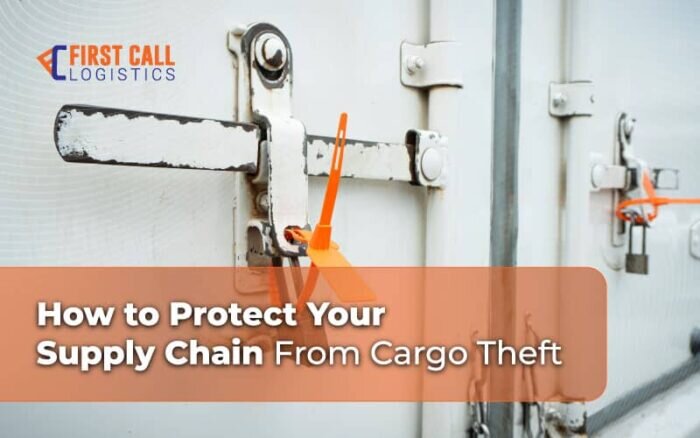
This article was originally published in April 2023 and has been updated to reflect current cargo theft trends and prevention practices.
Why Cargo Theft Has Become a Critical Supply Chain Risk
Cargo theft has evolved from an occasional loss event into a growing threat to supply chain security. Organized retail crime (ORC) networks increasingly target freight at critical points across the logistics lifecycle, including warehouses, cross-docks, and in-transit shipments.
The impact extends well beyond stolen goods. Cargo theft can disrupt inventory flow, inflate transportation costs, delay deliveries, and introduce operational risk for shippers, carriers, and retailers alike. According to the National Retail Federation, organized retail crime now frequently intersects with cargo and supply chain theft, contributing to rising incidents and broader economic consequences across the U.S. logistics network.
Organized retail crime (ORC) refers to coordinated theft activity carried out by groups that target goods at scale, often relying on fraud, impersonation, and resale networks rather than isolated or opportunistic theft.
For shippers and logistics teams, cargo theft is not just a loss prevention issue. It can disrupt customer commitments, inflate insurance premiums, delay deliveries, and expose gaps in supply chain visibility that compound risk over time.
Cargo theft risk can be actively managed. Understanding where shipments are most vulnerable and how organized theft groups operate allows businesses to strengthen supply chain security and reduce logistics risk.
Which Shipments Are Most at Risk?
While no shipment is completely immune to cargo theft, certain freight types, locations, and transit conditions consistently carry a higher risk within the supply chain.
- Intermodal hubs and major freight corridors present elevated cargo theft risk due to frequent handoffs, staging delays, and higher shipment density. According to CargoNet trend data, cargo theft activity remains concentrated across major logistics hubs in the U.S. and Canada, with regions such as California, Texas, and the New York metropolitan area reporting elevated incident counts.
- High-value consumer goods and industrial materials are frequently targeted due to strong resale demand. CargoNet reports continued theft activity involving household appliances, electronics, metals, and other high-value freight, with organized groups becoming more selective in the shipments they pursue.
- Food and beverage shipments remain among the most commonly stolen cargo categories. These shipments often involve temperature-controlled freight, which must move through tightly scheduled transportation networks and can become vulnerable during staging or transit delays.
Understanding where cargo theft risk is highest helps logistics teams focus prevention efforts where they will have the greatest impact.
Fictitious Pickups: A Strategic Cargo Theft Scheme
Fictitious pickups are a form of strategic cargo theft in which criminals impersonate legitimate carriers using forged credentials, fraudulent emails, or stolen broker information. Once freight is released, it may be diverted, staged temporarily, or resold through secondary distribution channels.
These schemes rely on deception rather than force, making carrier and pickup verification especially important. High-volume freight environments, tight delivery timelines, and carrier changes can increase exposure when verification processes fail.
How to Prevent Cargo Theft
Security and logistics professionals consistently recommend a layered approach to reducing cargo theft risk. The following best practices address both physical and digital vulnerabilities across the supply chain:
- Limit stops within 300 miles of origin. Cargo theft risk is highest shortly after departure, when shipments are staged or drivers stop soon after pickup.
- Establish designated “red zones.” Drivers should avoid low-visibility or unmonitored parking areas, including isolated gravel lots or locations without active surveillance.
- Increase on-site security in warehouses. A visible human security presence can significantly reduce theft risk, including internal loss. While 24/7 coverage requires investment, it can deter both opportunistic and organized theft.
- Strengthen digital security and shipment visibility. Real-time tracking tools such as GPS, geofencing, and automated arrival or departure alerts help detect unauthorized movement and reduce the risk of cargo diversion.
- Use physical security devices. Equipment such as air cuff locks, landing gear locks, and rear-door locks adds a critical layer of protection during transit and staging.
- Communicate that security measures are in place. Without revealing sensitive details, signaling that shipments and facilities are monitored can deter theft attempts.
- Heighten vigilance during holidays and peak shipping periods. Cargo theft activity often increases when freight volumes rise and staffing levels fluctuate. Extra precautions during major holidays and high-traffic periods can help reduce exposure.
- Partner with experienced third-party logistics providers. A 3PL with established cargo theft prevention protocols and visibility tools can help mitigate risk across transportation and warehousing operations.
Preventing cargo theft requires a combination of operational discipline, strong carrier verification, and real-time shipment visibility across the supply chain.
Cargo Theft FAQs
What is Cargo Theft?
Cargo theft occurs when freight is stolen during storage, staging, or transportation within the supply chain. Theft can occur through physical break-ins, trailer theft, or fraud-based schemes such as fictitious pickups where criminals impersonate legitimate carriers.
What Shipments are Most Vulnerable to Cargo Theft?
High-value consumer goods, electronics, metals, and food shipments are frequently targeted due to strong resale demand. Cargo theft also occurs more frequently in major freight corridors, intermodal hubs, and densely trafficked logistics regions.
What Is a Fictitious Pickup in Logistics?
A fictitious pickup occurs when criminals impersonate a legitimate carrier using forged credentials or stolen broker information to collect freight. Once the shipment is released, the cargo is diverted and typically resold through secondary distribution channels.
How Can Companies Reduce Cargo Theft Risk?
Companies can reduce cargo theft risk by improving carrier verification procedures, using GPS tracking and geofencing, increasing warehouse security, limiting early stops after pickup, and implementing layered physical security measures for trailers and freight.
Strengthening Supply Chain Security with a 3PL
Protecting your supply chain from cargo theft requires proactive planning, visibility, and experienced partners. Learn more about the security measures First Call Logistics uses to safeguard freight by contacting a First Call specialist today. We’re happy to discuss how to reduce cargo theft risk across your transportation and warehousing operations.
Logistics Support from First Call
Managing cargo theft risk often requires coordination across carriers, documentation, and shipment visibility. First Call Logistics helps companies maintain consistent transportation performance while strengthening oversight across truckload, LTL, and warehousing operations.