
An Introduction to Temperature-Controlled Shipping
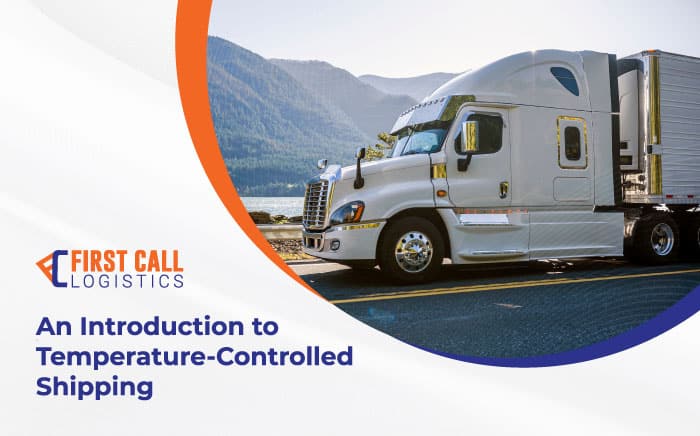
Temperature-controlled shipping is used for freight that must be protected from heat, cold, or humidity during transit. It is commonly used for food, beverages, pharmaceuticals, floral products, and other goods that can be affected by changing conditions in transit.
For shippers, temperature-controlled transportation is less about a single trailer type and more about maintaining the right environment for the product. Understanding how temperature-controlled shipping works can help teams plan more accurately around equipment, timing, and product requirements.
What Is Temperature-Controlled Shipping?
Temperature-controlled shipping refers to freight transportation arranged to maintain a product within a required temperature range throughout transit. Depending on the product and shipping requirements, that may involve refrigerated equipment, insulated equipment, temperature monitoring, or other controls designed to protect product integrity from pickup through delivery.
Refrigerated shipping, often referred to as reefer freight, is one of the most common forms of temperature-controlled transportation within broader cold chain logistics. Reefer trailers are used for freight that needs active cooling or tighter temperature management while moving through the supply chain.
The right temperature-controlled setup depends on the product, packaging, temperature range, transit length, and handling requirements. Some shipments may require pre-cooled equipment, tighter airflow control, or more consistent temperature management to reduce risk during transit.
Benefits of Temperature-Controlled Shipping
Temperature-controlled shipping helps protect products that can be affected by heat, cold, or humidity during transit. When the shipping environment is aligned with the product’s requirements, businesses can reduce spoilage, preserve product quality, and support more consistent delivery performance.
A wide range of products may require temperature-controlled transportation depending on their stability, shelf life, and handling requirements. Common examples include produce, dairy, meat, frozen foods, pharmaceuticals, floral shipments, and certain personal care products.
Temperature-controlled shipping can also help businesses manage risk across changing seasonal and regional conditions. In warmer weather, it may help protect freight from heat exposure, melting, or premature ripening. In colder conditions, it can help prevent products from freezing or falling outside their required temperature range.
Best Practices for Temperature-Controlled Shipping
Temperature-controlled shipping requires more planning than standard freight because product integrity depends on maintaining the right conditions from pickup through delivery. Shipment timing, equipment selection, packaging, and handling procedures can all affect performance.
Some products may need pre-cooled equipment before loading, while others require tighter temperature consistency or specific airflow conditions during transit. The right setup depends on the product, its required temperature range, packaging, transit length, and delivery timeline.
Loading practices also matter. Freight should be packaged and positioned in a way that supports proper airflow and stable handling throughout the move. Product-specific requirements may vary, especially for perishable or regulated shipments, so clear planning before pickup is important.
Shippers should also plan around capacity and seasonal demand. In temperature-controlled markets, availability can tighten during produce seasons and other high-demand periods, which can affect timing, routing, and equipment access.
Final Takeaway
Temperature-controlled shipping can be an effective solution for products that need protection from heat, cold, or humidity during transit. When equipment, timing, packaging, and handling requirements are aligned with the product, shippers can reduce risk and support more consistent delivery performance.
For teams managing perishable, sensitive, or regulated freight, clear planning upfront can make a meaningful difference in execution. Businesses evaluating a specific move can explore our cold chain logistics solutions, learn more about First Call FRESH, or review our temperature-controlled freight services.
Need Help Planning a Temperature-Controlled Shipment?
If you’re evaluating product requirements, timing, equipment needs, or whether cold chain support is the right fit, our team can help you plan the move more clearly.