
What Is Refrigerated LTL Shipping?
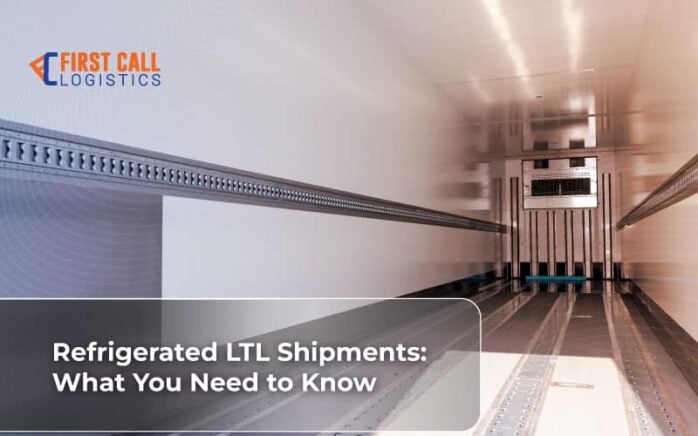
That balance can be more complex than standard dry freight. Refrigerated LTL shipments need to move within tighter handling and temperature expectations, and they often depend on more limited scheduling and consolidation options than dry LTL freight.
How Refrigerated LTL Shipping Works
Refrigerated LTL combines two transportation needs: temperature-controlled protection and shared trailer space. Instead of waiting until there is enough freight to fill an entire refrigerated trailer, shippers move smaller temperature-sensitive shipments alongside other compatible freight moving through the same network.
Like standard LTL freight, refrigerated LTL typically moves through scheduled pickup and terminal-based consolidation processes. But because the freight is temperature-sensitive, planning is often tighter around timing, product compatibility, and equipment availability.
For shippers, refrigerated LTL can be a practical option when a shipment needs active temperature control but does not justify the cost of a dedicated refrigerated truckload. The right fit depends on product requirements, shipment size, delivery expectations, and how much flexibility the move allows.
Common Challenges in Refrigerated LTL Shipping
Refrigerated LTL can be a practical option for smaller temperature-sensitive shipments, but it also comes with planning constraints that shippers should understand upfront. Because the freight moves in a shared environment and still needs active temperature control, timing, product compatibility, and handling requirements all matter.
One of the biggest challenges is network fit. Refrigerated LTL generally works best when the shipment aligns well with available equipment, lane coverage, and delivery timing. If the shipment is highly urgent, highly sensitive, or operationally critical, a more direct temperature-controlled option may be the better fit.
Product requirements are also important. Temperature range, packaging, product stability, and compatibility with other freight can all affect how the shipment should move. In some cases, tighter planning is needed to reduce risk during pickup, transit, and delivery.
Availability can also be a factor. Refrigerated capacity is typically more limited than standard dry freight capacity, and seasonal demand may affect scheduling flexibility in certain markets or during produce cycles.
What Types of Products Are Shipped Using Refrigerated LTL?
Refrigerated LTL is commonly used for smaller shipments that need active temperature control but do not require a full refrigerated trailer. The right fit depends on the product’s temperature range, packaging, transit sensitivity, and delivery requirements.
Common examples include perishable foods, produce, dairy, meat, pharmaceuticals, floral shipments, and certain temperature-sensitive personal care or specialty products. In each case, shipment planning should account for product stability, packaging, and how much transit flexibility the freight can tolerate.
How Should You Choose a Refrigerated LTL Company?
Choosing a refrigerated LTL provider starts with understanding whether the shipment is a good fit for the mode. Shippers should review product requirements, required temperature range, pickup and delivery timing, lane coverage, and how the provider manages temperature-sensitive freight within a shared network.
It also helps to ask about operational fit. Equipment availability, scheduling flexibility, shipment visibility, handling procedures, and experience with temperature-sensitive freight can all affect performance. Clear pricing expectations are important as well, especially when service requirements, shipment details, or accessorial needs may affect the total cost of the move.
Frequently Asked Reefer LTL Questions
What Is Refrigerated LTL Shipping?
Refrigerated LTL shipping is used for temperature-sensitive freight that needs active cold chain protection but does not require a full trailer. Instead of booking an entire refrigerated truck, shippers move smaller compatible shipments through a shared network while still maintaining the required temperature range.
When Is Refrigerated LTL a Good Fit?
Refrigerated LTL is often a good fit when a shipment needs temperature control but does not have enough volume to justify a dedicated refrigerated truckload. It can work well for smaller recurring shipments, replenishment freight, and other moves where product protection matters but the shipment size is limited.
How Is Refrigerated LTL Different From Refrigerated Truckload?
Refrigerated LTL and refrigerated truckload both provide temperature-controlled transportation, but they move differently. Refrigerated truckload uses a dedicated trailer for one shipment, while refrigerated LTL combines smaller compatible shipments in a shared network. The right choice depends on shipment size, product sensitivity, delivery timing, and how much handling or network variability the freight can tolerate.
What Types of Products Are Commonly Shipped Using Refrigerated LTL?
Refrigerated LTL is commonly used for smaller shipments of perishable or temperature-sensitive products. Examples can include produce, dairy, meat, floral shipments, pharmaceuticals, and certain specialty food or personal care products. The best fit depends on the product’s temperature requirements, packaging, and transit sensitivity.
What Challenges Can Affect Refrigerated LTL Shipments?
Refrigerated LTL shipments can be affected by equipment availability, lane coverage, scheduling constraints, product compatibility, and tighter delivery requirements. Because the freight is both temperature-sensitive and moving in a shared environment, successful planning depends on clear shipment details, realistic timing, and the right network fit.
How Should Shippers Evaluate a Refrigerated LTL Provider?
Shippers should look at whether the provider has experience handling temperature-sensitive freight within a shared LTL network. It helps to review equipment availability, lane coverage, scheduling flexibility, visibility, handling procedures, and how the provider plans around product requirements, timing, and temperature protection.
Final Takeaway
Refrigerated LTL can be an effective option for temperature-sensitive freight that needs cold chain protection without requiring a full trailer. When the shipment fits the network and the product requirements are clearly defined, it can help businesses balance cost, timing, and product integrity more effectively.
For teams evaluating a specific move, it may help to learn more about First Call FRESH or explore temperature-controlled freight services.
Need Help Planning a Refrigerated LTL Shipment?
If you’re evaluating product requirements, timing, equipment needs, or whether refrigerated LTL is the right fit, our team can help you plan the move more clearly.