
Everything You Need to Know About Manufacturing Logistics
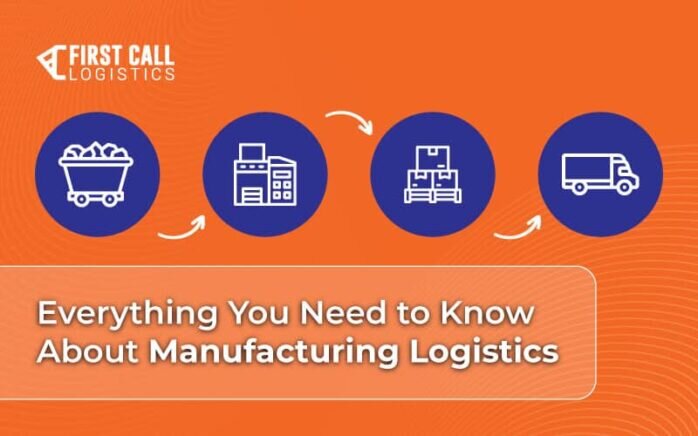
Manufacturing logistics covers the movement, storage, and coordination required to keep materials, production inputs, and finished goods flowing through the manufacturing process. It connects inbound supply, production support, inventory management, warehousing, and outbound transportation.
When manufacturing logistics is planned well, businesses can reduce disruption, improve inventory control, and support more consistent production and delivery performance. When it is not, delays in materials, storage constraints, transportation problems, and visibility gaps can affect output and customer commitments quickly.
What Is Manufacturing Logistics?
Manufacturing logistics refers to the planning and execution involved in moving raw materials, components, work-in-process inventory, and finished goods through the manufacturing supply chain. It includes the inbound flow of materials, the support required around production and storage, and the outbound movement of finished products to distribution points or end customers.
Because manufacturing environments depend on timing, coordination, and inventory accuracy, logistics plays a direct role in production continuity. The more effectively materials, storage, transportation, and replenishment are managed, the easier it becomes to reduce costly interruptions and keep operations moving.
The Three-Pronged Approach to Managing Manufacturing Logistics
Manufacturing logistics spans a wide range of activities, but it can be easier to evaluate when it is broken into three core areas: materials, production support, and distribution.
Materials
This stage covers the inbound side of the operation. It includes sourcing support, transportation of raw materials and components, receiving, and inventory positioning before those materials ever reach the production line. Delays or inaccuracies at this stage can create downstream production problems quickly.
Production Support
Once materials are in place, logistics continues inside and around the manufacturing environment. Production support can include staging materials, managing work-in-process inventory, coordinating storage, and making sure goods are positioned where they are needed as production moves forward. In some operations, outside warehousing support can also help create more flexibility around storage and flow.
Distribution
After products are manufactured, logistics shifts to preparing, storing, and shipping finished goods to distribution points or end customers. This stage often includes warehousing coordination, order preparation, outbound transportation planning, and delivery performance tracking.
Each area has its own performance considerations, but they are closely connected. When one part of the process falls behind, it can affect inventory, production schedules, transportation timing, and customer service across the broader operation.
Common Manufacturing Logistics Challenges
Manufacturing logistics can become difficult quickly when transportation, inventory, storage, and compliance requirements are all moving at the same time. While every operation has its own constraints, several challenges tend to appear across a wide range of manufacturing environments.
Rising Transportation Costs
Transportation costs can fluctuate due to fuel, capacity conditions, weather disruptions, routing inefficiencies, and broader market pressure. For manufacturers, those changes can affect both inbound materials and outbound finished-goods movement.
Reducing transportation cost pressure often starts with stronger planning and better visibility. Clear shipment data, reliable routing, and carrier performance oversight can help businesses respond faster when delays or exceptions occur.
Regulations and Compliance
Manufacturers often have to manage shipping requirements that vary by product type, location, customer expectations, and transportation mode. Documentation gaps or process errors can create avoidable delays, added costs, or delivery issues.
That is one reason many manufacturers place a high value on clear shipping processes, accurate paperwork, and logistics partners who understand the operational requirements tied to the freight they are moving.
Inventory Pressure
Inventory planning can be especially difficult in manufacturing environments where customer demand, production schedules, material availability, and storage capacity are all changing at once. Too little inventory can disrupt production, while too much can tie up working capital and storage space.
Managing that balance well often requires stronger coordination between inbound supply, production timing, warehousing, and outbound shipment planning.
Where Logistics Partners Can Support Manufacturing Operations
External logistics support can help manufacturers create more flexibility across transportation, warehousing, and inventory-related processes. Depending on the operation, that may include freight coordination, overflow storage, shipment visibility, routing support, or broader manufacturing logistics services.
For manufacturers, the value is often less about handing everything off and more about improving execution in the parts of the network where internal teams need added capacity, expertise, or flexibility.
Final Takeaway
Manufacturing logistics plays a direct role in how materials, production support, storage, and finished-goods movement work together across the supply chain. When those areas are coordinated well, businesses can reduce disruption, improve inventory control, and support more consistent production and delivery performance.
For teams evaluating where added support may help, the right logistics strategy often starts with a clearer view of transportation, warehousing, inventory flow, and operational constraints.
Need Help Strengthening Manufacturing Logistics?
If you’re evaluating transportation, inventory flow, warehousing support, or broader manufacturing logistics needs, our team can help you plan a more resilient operation.